The Local Regenerative Food Challenge - Eric Bee 2/9/26
Panel Discussion
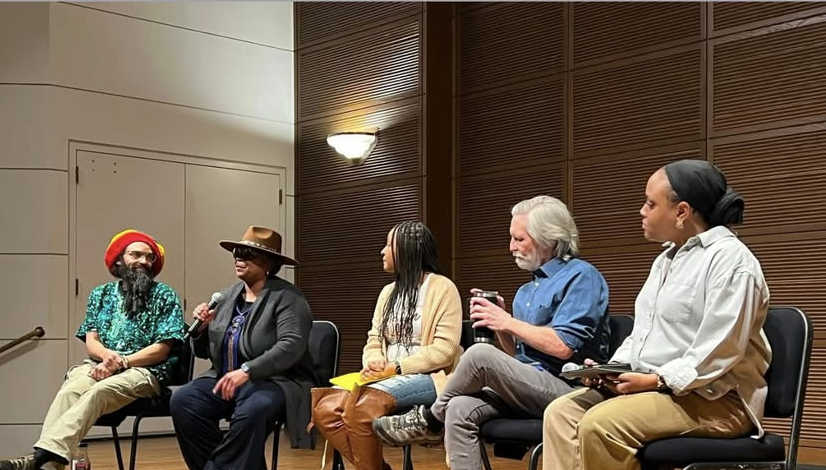
Last week I attended a panel discussion at the University of Dayton’s Food and Culture Festival. Several of our partners participated in the panel which focused on the local food-shed and the challenges we face to make it healthy, resilient, and available to all. I was particularly interested in their ideas on how each of us can be the solution.
The challenges are pretty easy to identify but difficult to solve. Healthy food is expensive and not easily available to all due to uneven distribution of retail outlets for it. At the same time, farmers struggle to earn a living from their work. This, plus the price of real estate makes it difficult for new farmers to get into the business. Our national food policy focuses on commodity crops which primarily go toward processed foods, energy, and animal feeds. Many folks don’t have the time, money, or knowhow to prepare fresh healthy food even if they get it. Finally, the panel identified that after generations have grown up on a narrow diet of a few foods make folks very reluctant to try new things even if a “new” food might be one their grandparents enjoyed.
Patty Allen, the executive director of the BIPOC Food and Farming Network and an Agraria advisor, urged the audience to take small steps toward growing their own food. Grow a pot of cilantro on your counter, some cherry tomatoes on your back porch or balcony. She even raised mushrooms in a spare bathroom…wow! The panel reminded us that during World War II, home victory gardens grown by regular people supplied 40% of the fresh produce eaten in the country.
Mark Willis, Community Engagement Director for the Hall Hunger Initiative and Agraria board member, spoke passionately about the need to vote with our dollars in addition to our ballots. He urged everyone to spend some money each week at Gem City Market, the coop grocery store on Salem Avenue in Dayton. Likewise, he recommended spending one or two weekends a month shopping at the Second Street market or another local market in your area. These are baby steps we can take toward keeping our dollars local and supporting the local food-shed.
When I left, I reflected on another initiative which I strongly believe is part of the solution. This is the idea pioneered by Kip Curtis in Mansfield, Ohio called Richland Gro-Op. In this model, urban farmers aggregate their produce as well as their cleaning and processing (like canning) so they can efficiently and profitably sell to institutions like schools, hospitals, and restaurants. Co-op Dayton, Hall Hunger Initiative, Central State University, and others have banded together to begin the path to such a model in our community. This is another way we can all get involved.
Here is a link to their next get together on Feb 21st: https://www.eventbrite.com/e/miami-valley-food-system-farmer-convening-tickets-1982073129085